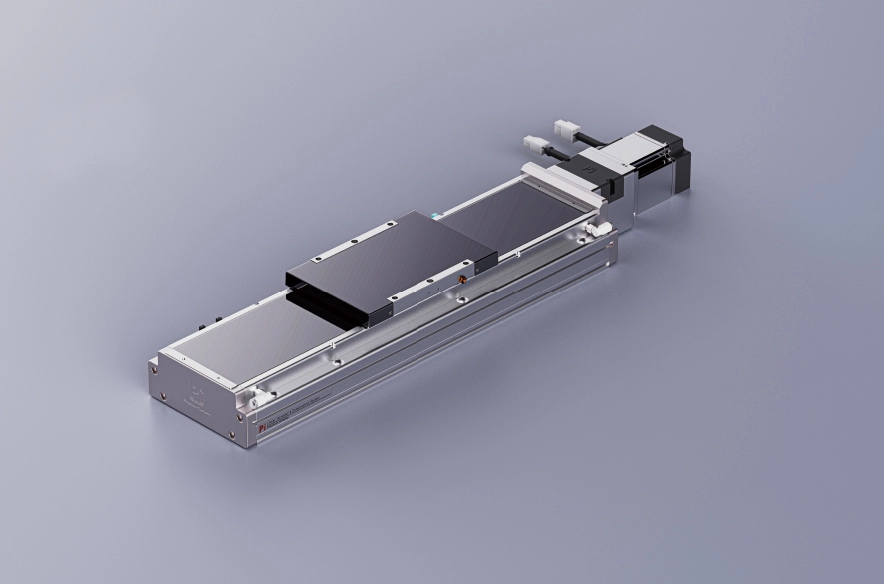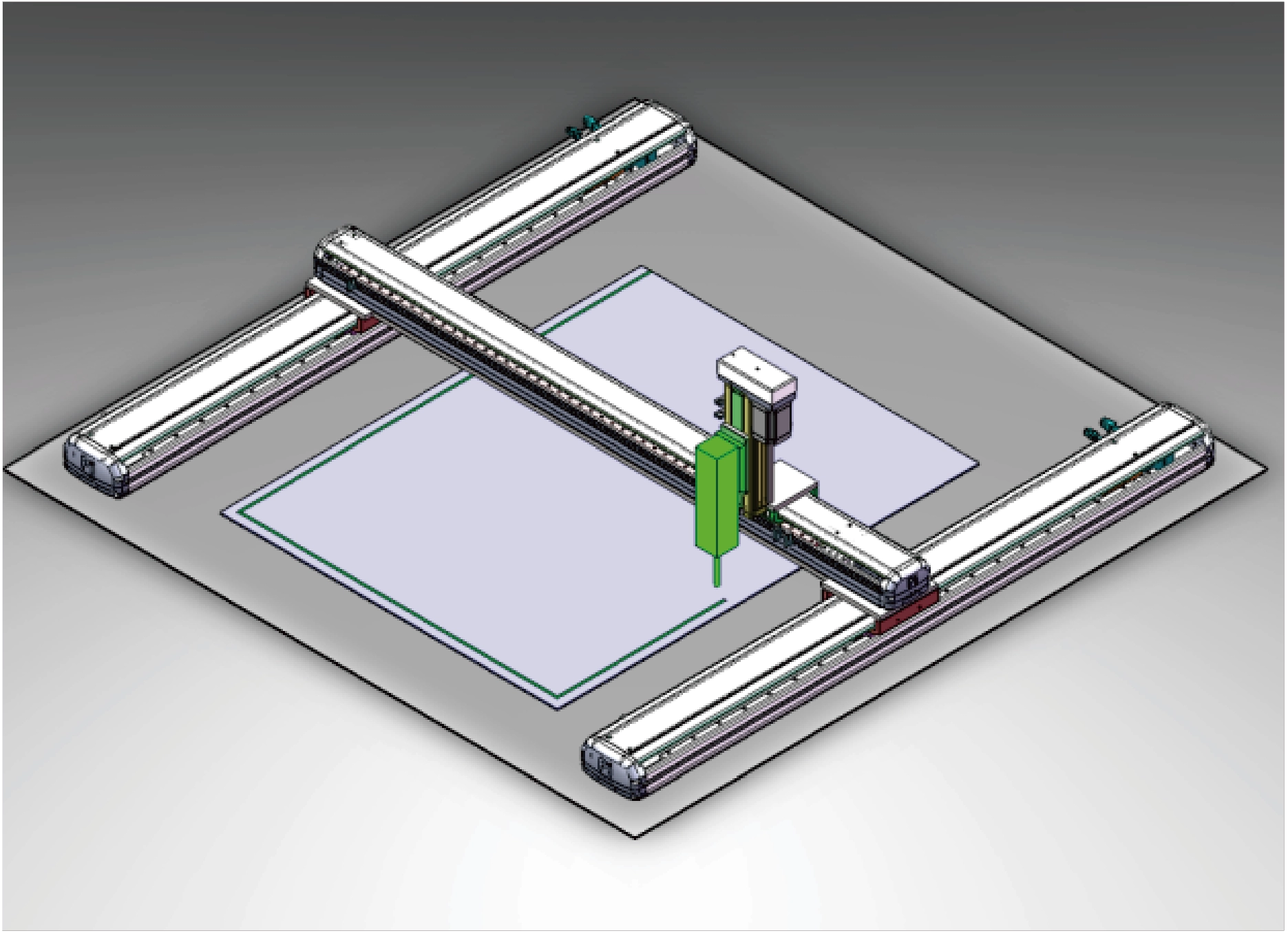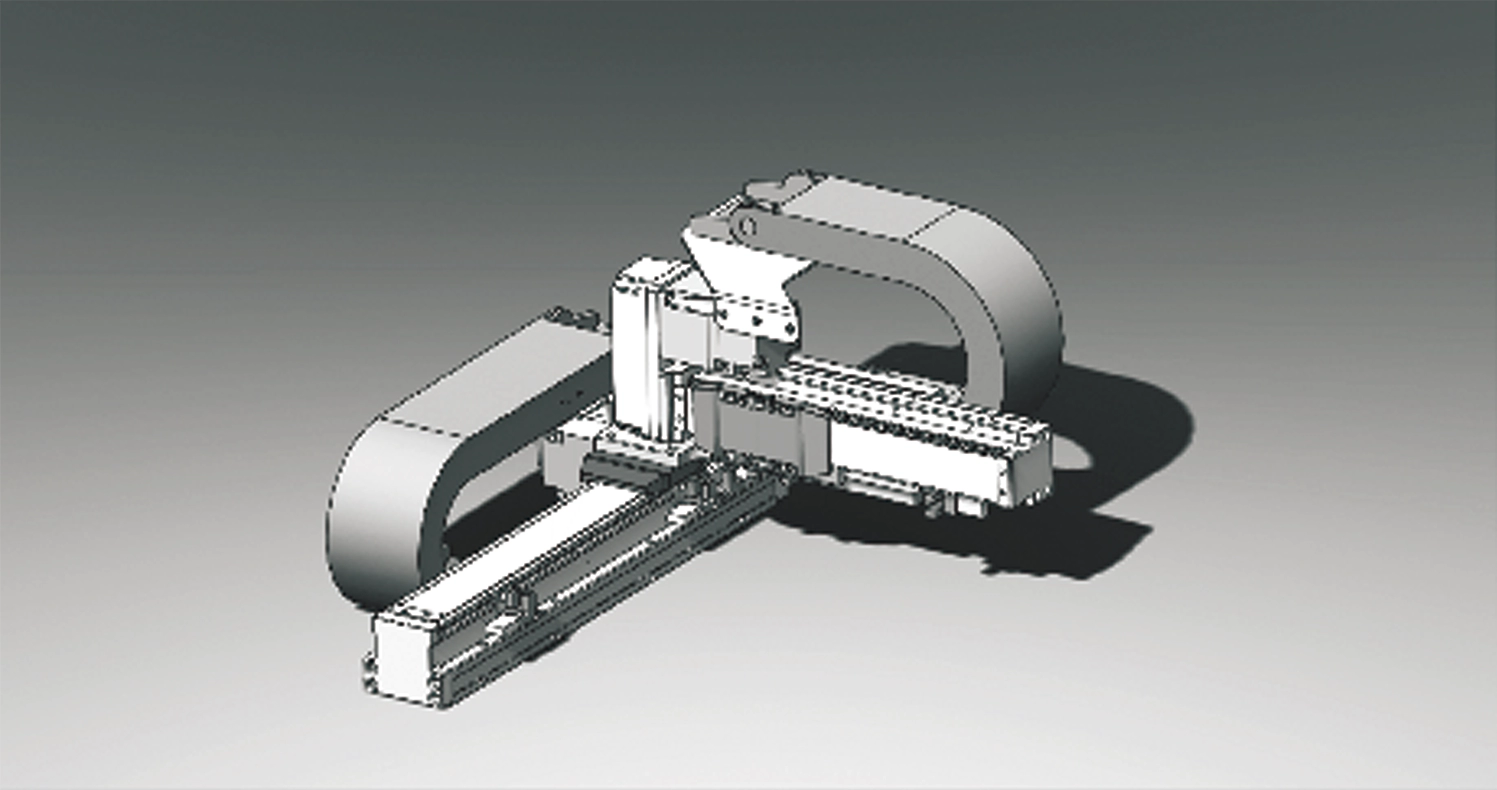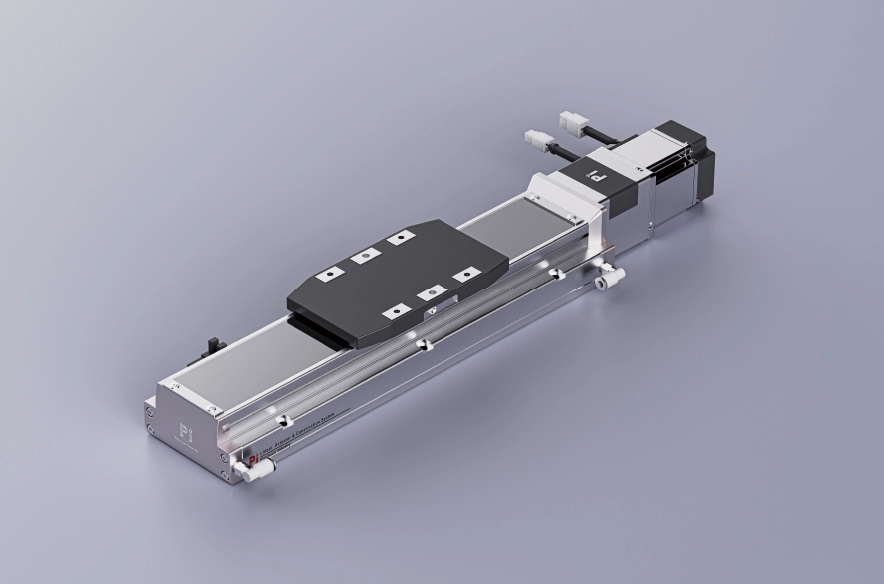
Motor rechte Seite
Wiederholgenauigkeit: ±0,005/0,01 mm. Horizontale Belastung: 60 kg. Vertikale Belastung: 22 kg. Maximale Geschwindigkeit: 250 mm/s. Verfahrbereich: 50–1050 mm

 Aktueller Standort:Zuhause > Unternehmen > Nachricht > Neueste Nachrichten > The Essential Guide to Maintaining Your Precision Positioning Slide Table
 Date: May 19 2026
Precision positioning slide tables are the unsung heroes in countless industrial, laboratory, and manufacturing applications. When properly maintained, they provide smooth, accurate motion that keeps your processes running reliably. Neglect maintenance, and even the most robust slide table can develop issues that compromise performance—or worse, lead to costly downtime. This guide offers practical tips to keep your equipment in top shape.
Before diving into cleaning and maintenance, take a moment to review your slide table’s design and components. Most precision slides include rails, carriages, lead screws or belts, bearings, and sometimes motors and controllers. Knowing how these parts interact will help you identify potential trouble spots early.
Dust, debris, and residue from lubricants or the surrounding environment are among the leading causes of wear. A routine cleaning schedule is essential:
Daily: Wipe down exposed surfaces with a lint-free cloth.
Weekly: Remove larger debris around rails and carriages.
Monthly: Inspect hidden areas, such as under covers, for buildup.
Avoid harsh solvents that could damage seals or bearings; mild isopropyl alcohol or manufacturer-approved cleaners usually work best.
Even precision slide tables need proper lubrication to reduce friction and prevent wear. However, over-lubricating can attract dust and cause gumming, so moderation is important.
Check the manufacturer’s guidelines for the correct type of grease or oil.
Apply lubricants sparingly to rails, screws, and bearings.
Periodically wipe off old lubricant before applying fresh, especially if the environment is dusty or humid.
Even minor misalignments can affect the smoothness and precision of your slide table. Set aside time to inspect:
Rails and guides: Look for scratches, dents, or corrosion.
Carriages: Check for uneven movement or unusual noise.
Fasteners and mounts: Ensure everything is securely tightened without over-torquing.
Spotting issues early can save you from costly repairs later.
Precision slide tables are designed for accuracy, not brute force. Avoid sudden impacts or heavy loads beyond the rated capacity. When moving parts by hand, maintain smooth, gentle motion rather than forcing anything along the rails.
Temperaturschwankungen, Luftfeuchtigkeit und Verunreinigungen können die Leistung im Laufe der Zeit beeinträchtigen. Wenn Ihr Schiebetisch in einem Labor oder einer Werkstatt Feuchtigkeit ausgesetzt ist, sollten Sie Schutzabdeckungen oder eine Klimatisierung in Betracht ziehen, um optimale Bedingungen aufrechtzuerhalten.
Selbst bei sorgfältiger täglicher Pflege können professionelle Inspektionen alle ein bis zwei Jahre sicherstellen, dass Ihr Schiebetisch in einwandfreiem Zustand bleibt. Techniker können subtile Ausrichtungs- oder Verschleißprobleme erkennen, die bei Routinekontrollen möglicherweise nicht offensichtlich sind.
Die Wartung eines Schiebetisches mit Präzisionspositionierung ist nicht kompliziert, erfordert jedoch Aufmerksamkeit und Konsequenz. Wenn Sie es sauber, geschmiert und ausgerichtet halten und sorgfältig behandeln, können Sie jahrelang einen reibungslosen und präzisen Betrieb genießen. Denken Sie daran: Eine kleine vorbeugende Wartung trägt viel dazu bei, unerwartete Ausfallzeiten und kostspielige Reparaturen zu vermeiden.
Wenn Sie heute Zeit in die Pflege investieren, stellen Sie sicher, dass Ihre Präzisionsausrüstung auch morgen weiterhin Präzision liefert.